Step 01
Seam Assessment and Root Cause Identification
We examine the seam, the base condition beneath it, and the surrounding traffic patterns to identify whether the failure is mechanical, adhesive, or base-related before we price the repair.
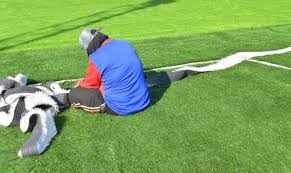
Turf seam problems in Spring and Klein-area homes diagnosed and fixed honestly — most seam issues are repairable without replacing the whole yard.
Service Introduction
A lifting seam or a visible joint line in a turf surface is one of the more frustrating things a Spring homeowner deals with after an install — especially if the turf is only four or five years old and should have more life in it. Artificial Turf of Spring handles turf seam repair as a targeted fix, not as a backdoor to a full replacement sale. If the seam can be re-fastened or the underlying cause corrected without pulling the whole yard, we do exactly that and charge for the actual repair.
Seam failures in Spring and Klein-area yards have several common causes. Base movement from clay soil expanding and contracting through Houston's wet and dry cycles pulls fastener points loose over time. Original seam placement in high-traffic zones — where kids run the same path every day or dogs pace the fence line — accelerates mechanical stress on the join. Poor original adhesive or tape application from a previous installer is another common cause we see in repair calls on installs done by others. The diagnosis at the site visit determines which of these is the problem before we recommend a fix.
Most seam repairs in Spring-area residential yards are completed in a single service visit. We cut back the lifted edge, reassess the base condition at the joint line, apply appropriate fastening or adhesive to match the original installation method, and groom the pile to blend the repaired zone with the surrounding surface. Where the base has moved enough to cause a visible height difference at the seam line, we address the grade at the joint before refastening so the repair doesn't fail again in six months.
For older installs where a seam repair reveals broader base deterioration or pile wear beyond what targeted repair can address, we give you an honest assessment of your options — including whether a section replacement or a full install reset makes more financial sense than continuing to repair. We don't push the full replacement conversation unnecessarily, but we also won't do a repair that sets you up for the same call in another year.
Step 01
We examine the seam, the base condition beneath it, and the surrounding traffic patterns to identify whether the failure is mechanical, adhesive, or base-related before we price the repair.
Step 02
Where the base has moved and created a grade difference at the seam line, we correct the grade before refastening — otherwise the repair will repeat the same failure.
Step 03
We apply the appropriate repair method — nail-down fastening, seam tape replacement, or adhesive application — based on what the original installation used and what the failure mode requires.
Step 04
After refastening, we trim and brush the pile at the joint line to reduce the visual transition and match blade height to the surrounding surface.
Step 05
We check other seam locations in the same yard for similar stress indicators and report findings before we close out, so you can decide whether proactive repairs make sense.
Klein and Spring family yards where dogs run the same fence-line path daily — mechanical stress on seams in those paths is the most common single-point failure we repair.
Spring and Olde Oaks subdivisions where clay soil movement from wet and dry cycling has pulled fastener points loose and created visible joint gaps.
Installs done by previous contractors where seam tape or adhesive was under-applied — a common finding in repairs on Spring-area yards that are four to six years old.
Seam or border edges that have lifted adjacent to concrete, fence posts, or tree roots where differential movement has pulled the fastening loose.
Spring and Humble area yards where a significant rain event or flooding caused base saturation and subsequent seam movement that wasn't immediately visible but became apparent over the following dry season.
Artificial Turf of Spring handles turf seam repair throughout Spring, Klein, Olde Oaks, Wimbledon Estates, Birnham Woods, Champion Forest, Tomball, Cypress, Humble, Conroe, Oak Ridge North, Shenandoah, Atascocita, Porter, and Jersey Village. Seam repair visits are scheduled as standalone service calls throughout our full north Houston service area.
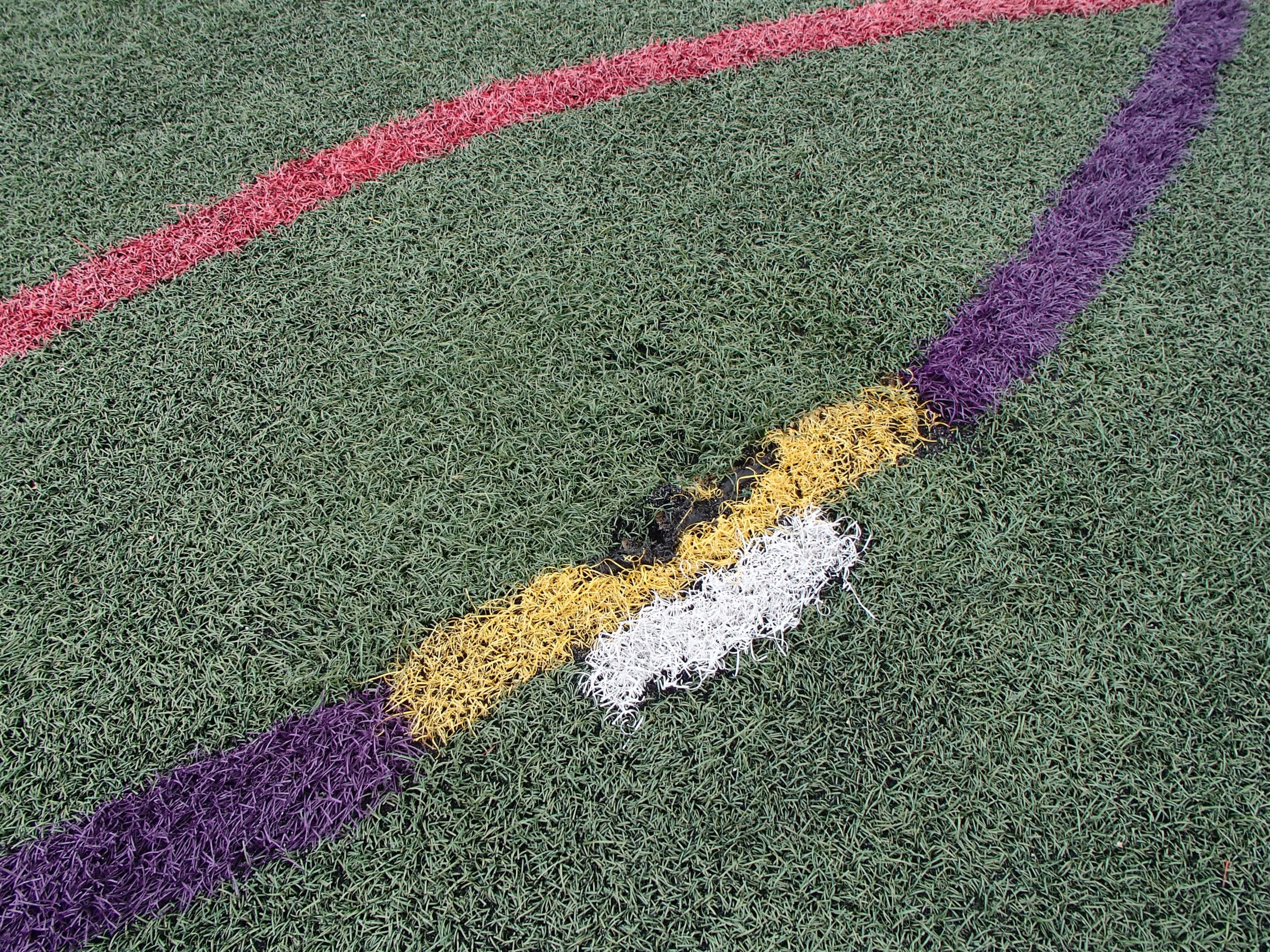
Repair services for seam separation, worn traffic paths, edge lift, and spot damage in synthetic grass systems.
Learn More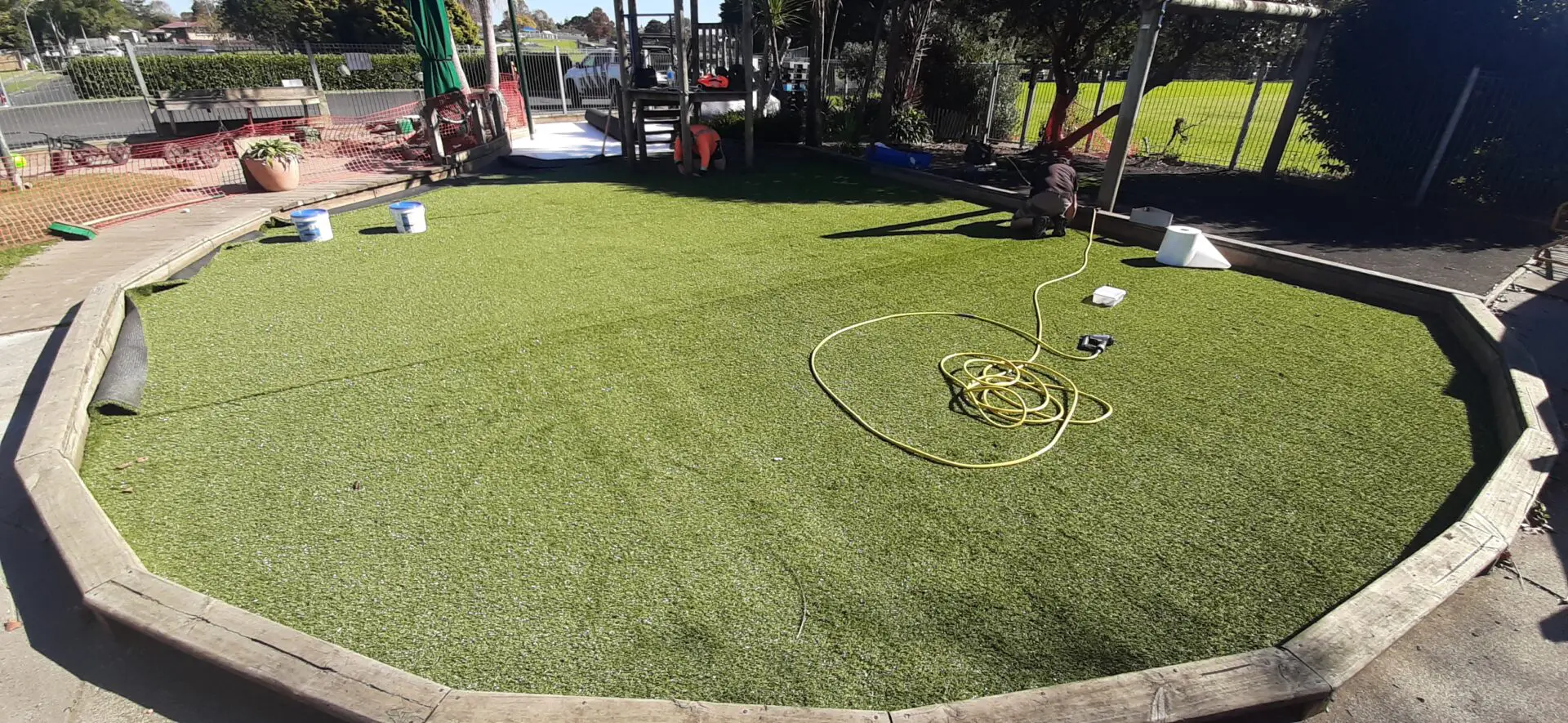
Scheduled maintenance services to restore blade posture, refresh infill distribution, and improve turf appearance.
Learn More
Infill depth checks and replenishment for compacted or depleted zones that need improved support and consistency.
Learn More
Custom residential turf systems for front yards, backyards, side yards, and outdoor living spaces in Spring, TX.
Learn MoreIn most cases, yes. Seam lifting that's caused by fastener failure, adhesive failure, or moderate base movement is repairable without full section replacement. We assess the cause at the site visit and give you an honest answer about whether repair or replacement is the right approach.
Yes. We repair seam failures in installs we didn't originally do. We assess the installation method used and work with what's there. If the original installation has systemic problems that go beyond the seam, we tell you that at the assessment.
Most residential seam repairs are completed in two to four hours depending on seam length, whether base correction is needed, and how many locations are being addressed in the same visit.
Repeat seam failure usually means the underlying cause wasn't addressed — either the base movement wasn't corrected, the repair method didn't match the original installation type, or the seam was in a location with persistent mechanical stress from traffic that needs to be accounted for. We diagnose these specifically before attempting a repair.
Minor edge lift at a border can sometimes be managed with appropriate turf adhesive if it's caught early. Seam failures involving base movement or adhesive replacement in the field are more difficult to do correctly without the right materials and experience. DIY repairs that don't match the original installation method often fail faster than the original.
That depends on the age of the install, the overall pile condition, and how many seam locations are at risk. We give you that comparison at the site visit so you can make an informed decision — we don't default to recommending full replacement if targeted repair is the more sensible answer.
Project Request
Tell us your neighborhood, describe the seam problem, and share any photos if you have them. We'll schedule a repair assessment visit and give you an honest recommendation.