Step 01
Infill Depth Assessment
We measure infill depth in multiple zones across the yard — high-traffic paths, pet-use areas, edges, and lower-traffic interior sections — to identify where replenishment is actually needed.
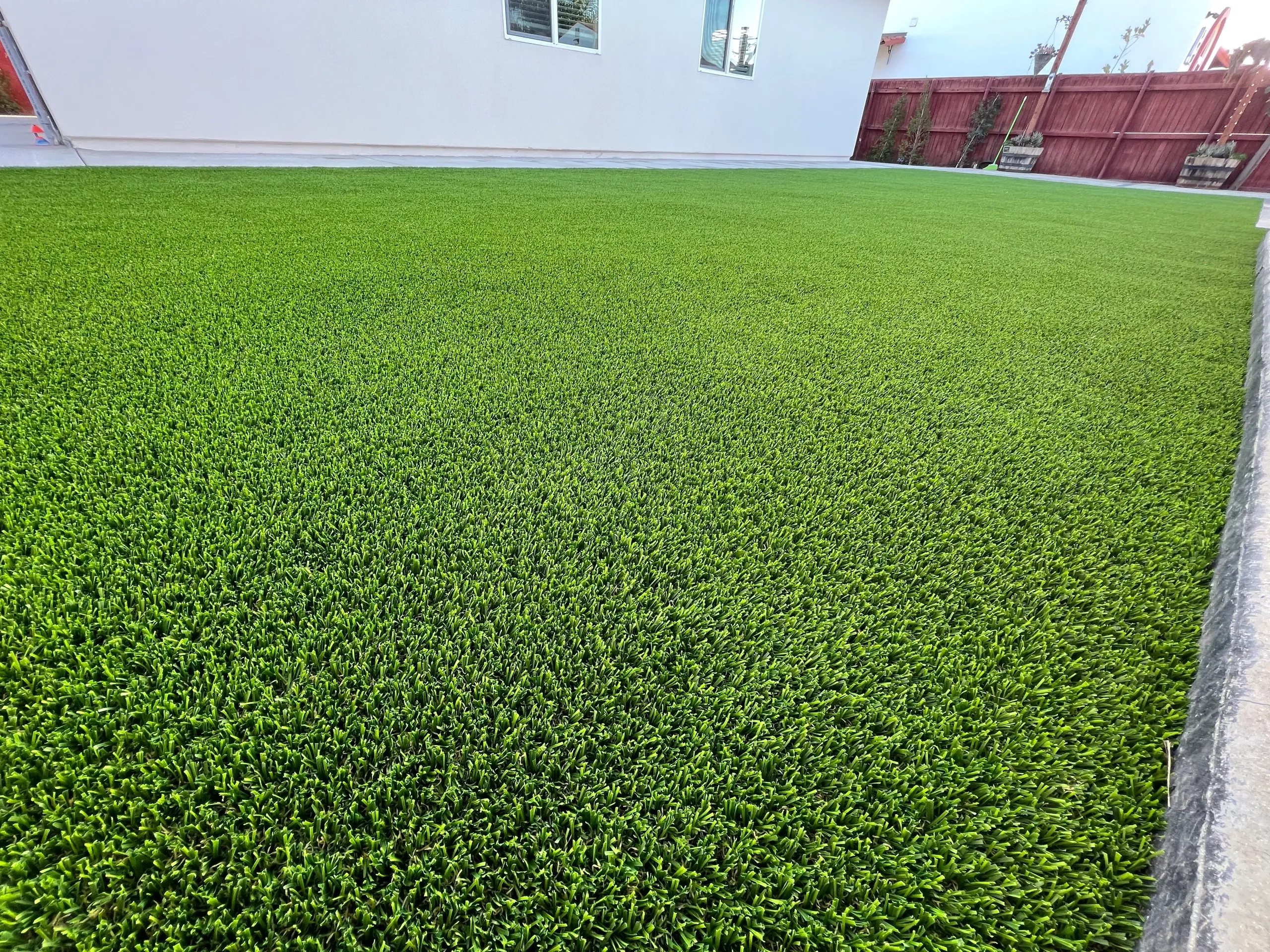
Infill that's migrated out or degraded in Spring's heat makes your turf look flat and drain poorly — replenishment fixes both without replacing the whole surface.
Service Introduction
Turf pile that stands up correctly on a well-installed surface in Spring doesn't do it on its own. The infill — the granular material worked into the pile at installation — is what keeps blades in an upright position under traffic and maintains the surface texture. Over time, infill migrates toward the edges and low-traffic zones of the yard, gets displaced by rain runoff moving across the surface, or degrades in UV exposure in the case of certain antimicrobial infill types. When infill drops below the critical depth, the pile flattens and starts to look worn even in areas where the turf fibers themselves are still in good condition.
In Spring and Klein-area yards, infill migration tends to be most visible in a few predictable places: the path between the back door and the back fence where the dogs run, the area immediately inside the gate where traffic is concentrated, and the edges along the fence line where rain runoff moves infill toward the perimeter. These zones flatten first. The rest of the yard may look fine while these spots look rough, and replenishment targeted to the worn zones can restore the surface without a full infill replacement across the entire yard.
For pet households, infill replenishment has an additional function. Antimicrobial infill degrades over time — the active antimicrobial properties typically have a meaningful reduction after three to five years of UV exposure and heavy pet use. If your pet-turf area is starting to smell despite regular rinsing and the surface looks flat in the high-use zones, those are two signs that infill replenishment is overdue. We assess the existing infill condition and tell you whether adding the same infill type, switching infill types, or supplementing with a deodorizing treatment makes the most sense for your specific situation.
Infill replenishment is straightforward work, but it needs to be applied correctly — in the right quantity and worked into the pile to the right depth so blade posture is restored evenly across the replenished zone. Overfilling flattens the pile differently than underfilling. We measure existing infill depth before adding material and calculate the right quantity to bring the surface back to the design specification.
Step 01
We measure infill depth in multiple zones across the yard — high-traffic paths, pet-use areas, edges, and lower-traffic interior sections — to identify where replenishment is actually needed.
Step 02
We assess the condition of the existing infill in the wear zones — whether the granules have broken down, whether antimicrobial properties have degraded, and whether the existing infill type is still the right choice.
Step 03
Infill is applied in the zones requiring replenishment at calculated quantities to bring the surface to the correct depth without over-filling.
Step 04
After application, the pile is groomed to work the infill material down into the fiber structure and restore upright blade posture across the replenished area.
Step 05
We inspect the replenished zones for even distribution and consistent blade posture before closing out the visit.
Paths and dog-run zones where infill has migrated enough that the pile lies flat under traffic and won't recover with grooming alone.
Dog yards where odor is increasing despite regular rinsing — often a sign that antimicrobial infill has degraded and needs replacement or supplementation.
After significant rain events in Spring, infill at the surface perimeter can wash toward the drainage exit points. Replenishment restores edge zone depth.
Spring and Klein homeowners listing a property with artificial turf who want the surface looking its best — infill replenishment in the worn zones often has a significant visual improvement effect.
Properties that have had a professional grooming visit and need infill added in specific zones as part of the same service day.
Artificial Turf of Spring provides infill replenishment throughout Spring, Klein, Tomball, Cypress, The Woodlands, Humble, and surrounding north Houston neighborhoods. Service is available for both Artificial Turf of Spring installs and surfaces installed by other contractors.
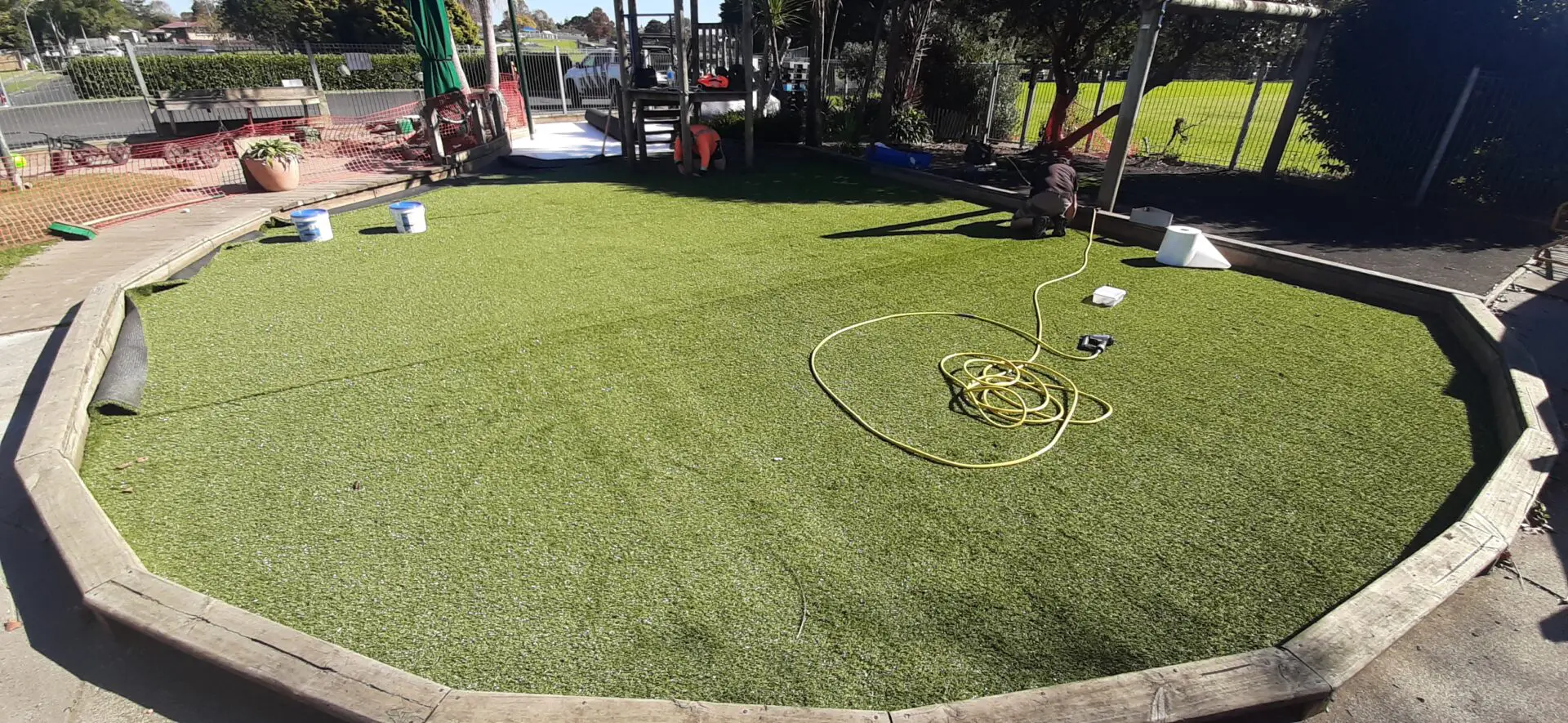
Scheduled maintenance services to restore blade posture, refresh infill distribution, and improve turf appearance.
Learn More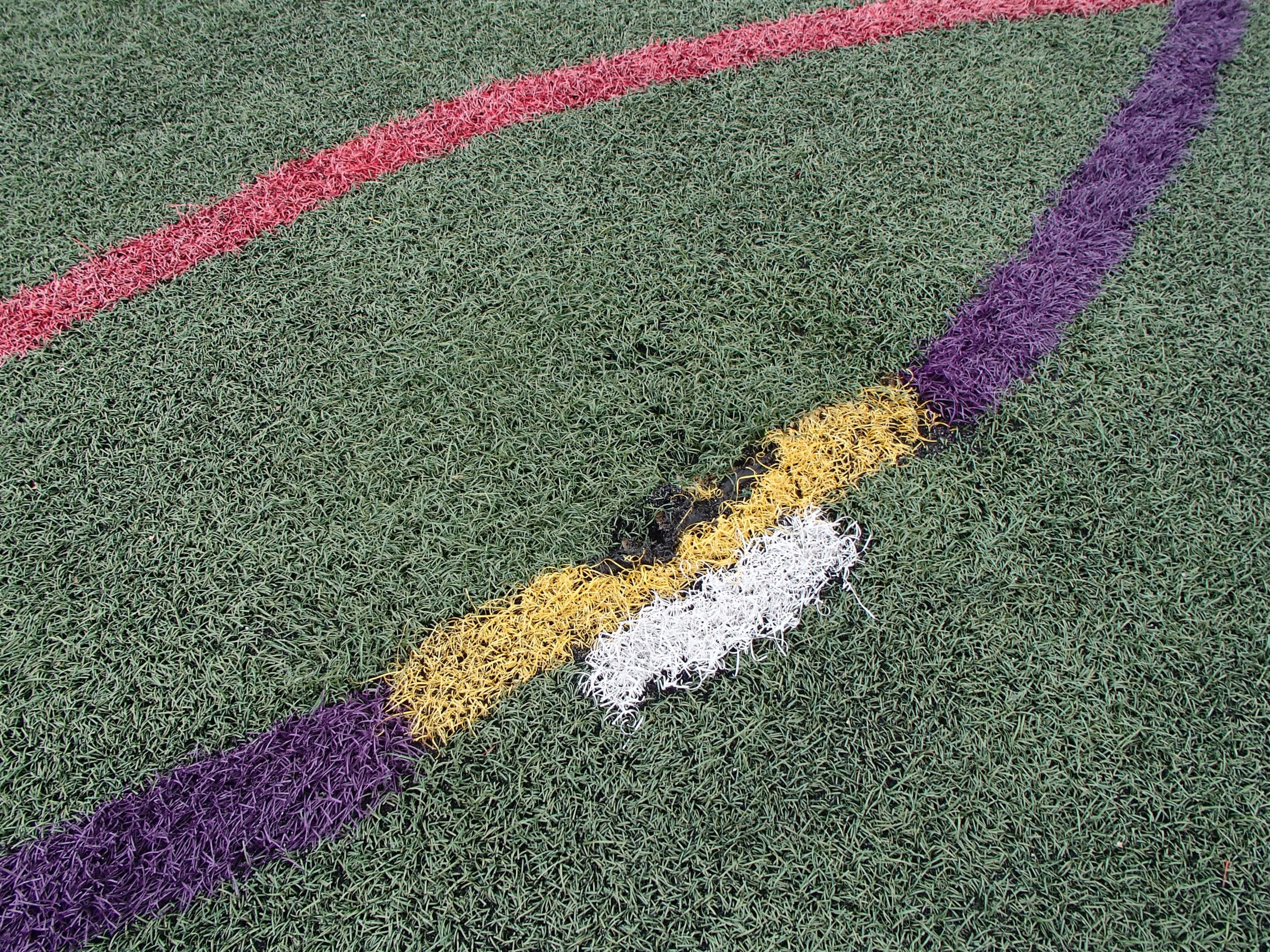
Repair services for seam separation, worn traffic paths, edge lift, and spot damage in synthetic grass systems.
Learn More
Localized seam correction and reinforcement for separated joins, lifted transitions, and high-stress edge conditions.
Learn More
Pet-focused synthetic grass layouts with drainage-first base prep and practical cleanup planning for Spring households.
Learn MoreThe most visible sign is pile that lies flat in high-traffic zones and doesn't spring back up after you walk through it. In pet yards, increasing odor despite regular rinsing is another indicator. You can also check infill depth yourself — part the blades with your fingers and see how far down the granular material sits relative to the pile height.
Not always. You can add the same infill type or switch to a different type for the replenishment. Mixing compatible infill types in the same zone generally isn't a problem, but we assess the existing infill condition during the visit and recommend the best option for your specific surface.
Possibly. If the antimicrobial infill has degraded or infill depth has dropped, replenishment with fresh antimicrobial infill can make a significant difference. If the smell persists after replenishment, there may be a base drainage issue that needs to be addressed separately.
You can, but getting the depth and distribution right requires care. Under-application leaves the surface flat. Over-application can reduce drainage. We typically see DIY replenishment that's concentrated in the visible worn spots and light everywhere else. Professional replenishment gives you even distribution across the zones that actually need it.
For standard residential yards, every three to five years is typical for a meaningful replenishment. High-traffic pet yards may need attention every one to two years. Spring's heavy rain events can accelerate edge infill migration and push that schedule earlier.
Project Request
Tell us your yard size, approximate install age, and whether pets are heavy users of the surface. We'll assess what the infill needs and give you a straight answer.