
Step 01
Site Visit and Footprint Planning
We measure the available backyard footprint, identify any grade change across the planned green area, and discuss cup placement options based on the space.
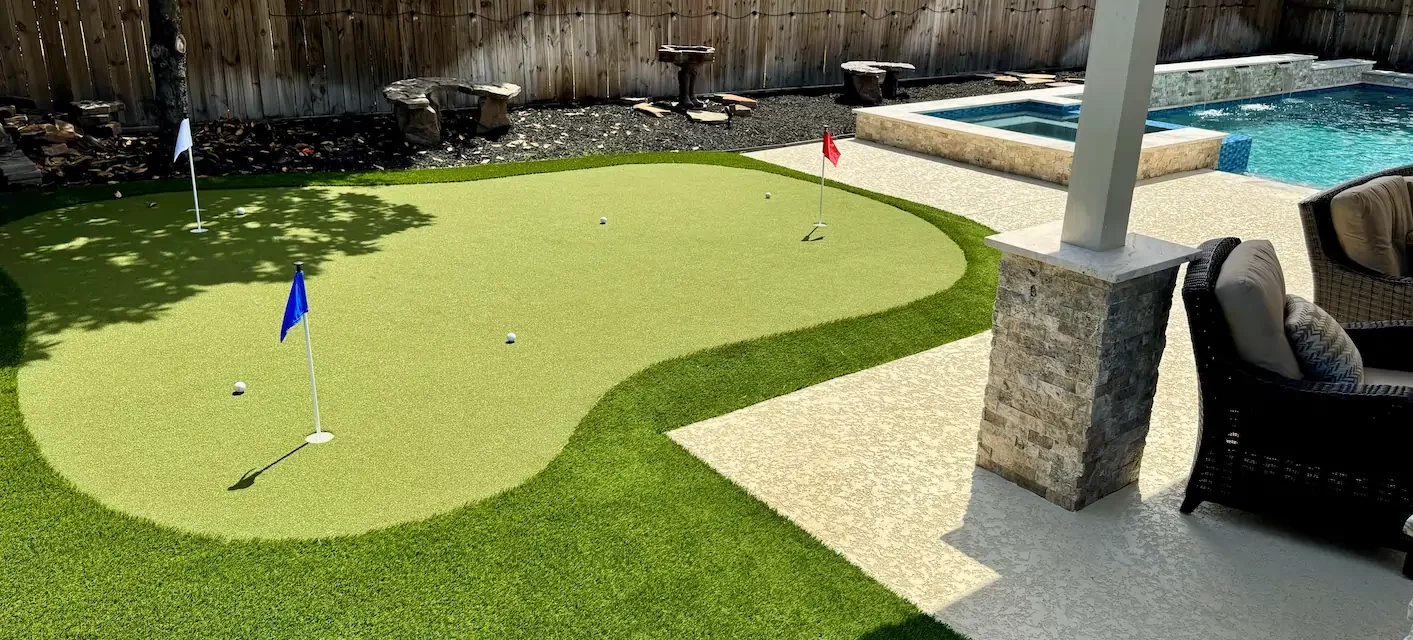
Backyard putting greens for Spring and Klein-area homes — sized for real lots, built for actual use, and priced without the luxury markup.
Service Introduction
A lot of Spring and Klein-area families ask about putting greens after they've already converted the backyard to artificial turf. The yard looks good, the grass maintenance is gone, and there's a section along the back fence or a corner near the patio that's just sitting there. A two-hole or three-hole putting green in a 400 to 800 square foot footprint fits into that kind of space and gives the backyard a usable feature without taking over the whole yard. Artificial Turf of Spring installs these in mid-tier Spring neighborhoods — not showroom-quality tournament greens, but functional backyard setups that actually get used.
The critical difference between a putting green that works and one that gets ignored after three months is the surface construction. Ball roll on a backyard putting green is determined by the base compaction and the pile height and weight of the putting green turf — not just by the pile you choose at a turf dealer. We've seen installs in Spring-area yards where the base wasn't compacted properly and the surface undulates enough that putts break inconsistently in ways that have nothing to do with practice. We prep the base for a putting green differently than we do for standard residential turf.
For most Spring and Klein-area lots, we're working with available footprint in the backyard rather than designing around an ideal green shape. Lots in Olde Oaks, Wimbledon Estates, Birnham Woods, and Champion Forest mid-budget sections typically have concrete patios taking up part of the back yard, a storage area near the garage door, and maybe a kid play structure that's been there since 2009. We scope the putting green to fit what's actually available rather than requiring the family to reorganize the whole backyard to accommodate it.
Cup placement, fringe turf selection, and whether to include a chipping area or a second surface level are all decisions we walk through during the planning visit. Most backyard setups in Spring stay simple — a flat green with two or three cups and a consistent fringe border. We build the features that will actually get used and skip the ones that sound good in a showroom but collect leaves in a backyard in the Klein area.
Step 01
We measure the available backyard footprint, identify any grade change across the planned green area, and discuss cup placement options based on the space.
Step 02
Existing material is excavated, base aggregate is installed in lifts, and compaction is taken to a tighter tolerance than standard residential turf — surface consistency for putting requires a flatter base.
Step 03
Putting green turf is laid with grain orientation toward the primary putting direction. Fringe turf is installed around the perimeter. Edges are finished against existing surfaces.
Step 04
Holes are cut and cups are set at the positions selected during planning. We check that cup depth and alignment are correct before infill goes down.
Step 05
We putt across the surface to verify consistent ball roll before the final walkthrough. Any inconsistency in the surface gets addressed before closeout.
Two or three cup greens in a corner of the backyard that isn't usable for other activities — common in Spring tract homes where the corner near the back fence gets less foot traffic.
Narrow green along the fence line or along the patio edge where the family wants a feature they can use after dinner without walking far from the house.
Adding a distinct putting green section as part of a full backyard turf conversion — a dedicated green area with a different pile height from the surrounding landscape turf.
Narrow side-yard setups for spring families who have space along the fence line between the garage and the back fence — these work well as straight approach or chip-and-putt setups.
Putting green installations in HOA common areas or clubhouse zones in Spring and Klein-area subdivisions where an outdoor activity feature has been approved by the landscape committee.
Artificial Turf of Spring installs backyard putting greens throughout Spring, Klein, Cypress, Tomball, The Woodlands, Humble, and surrounding north Houston neighborhoods. Putting greens are a common add-on project in the Olde Oaks, Wimbledon Estates, Champion Forest, and Spring Creek mid-tier service areas.
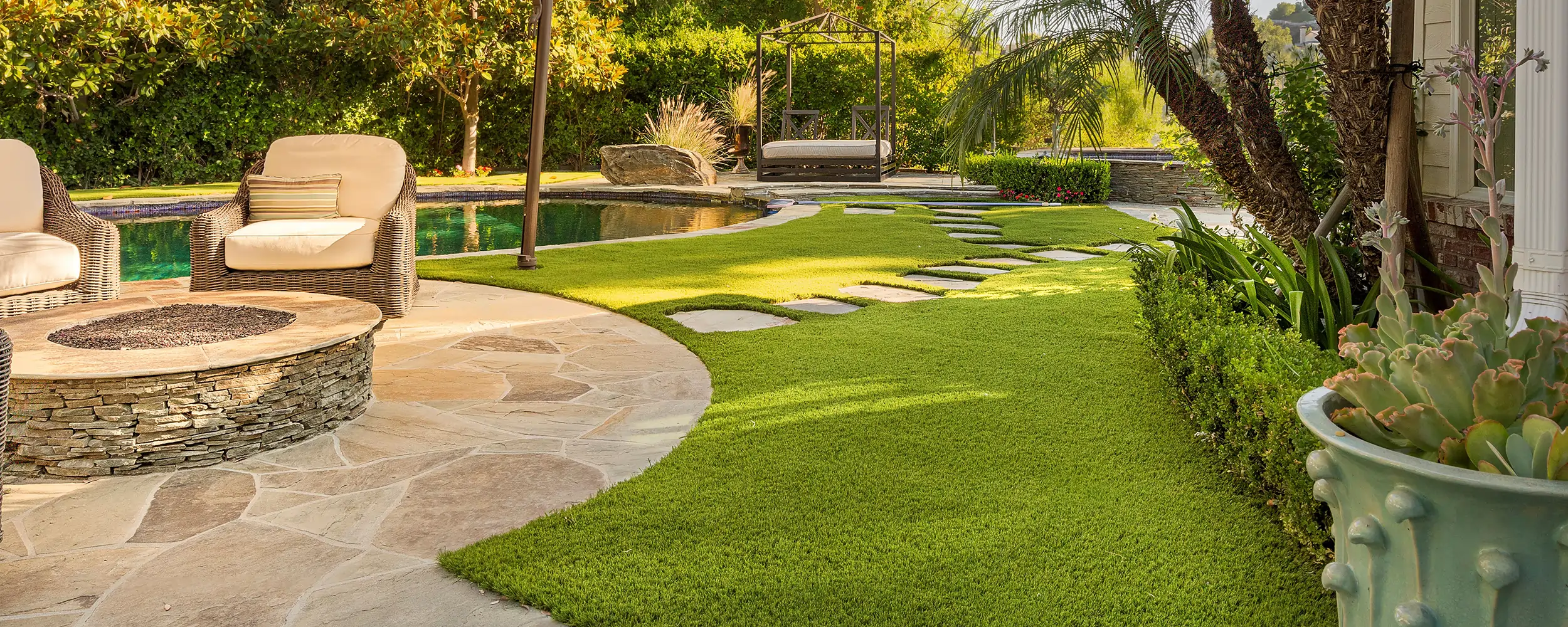
Custom residential turf systems for front yards, backyards, side yards, and outdoor living spaces in Spring, TX.
Learn More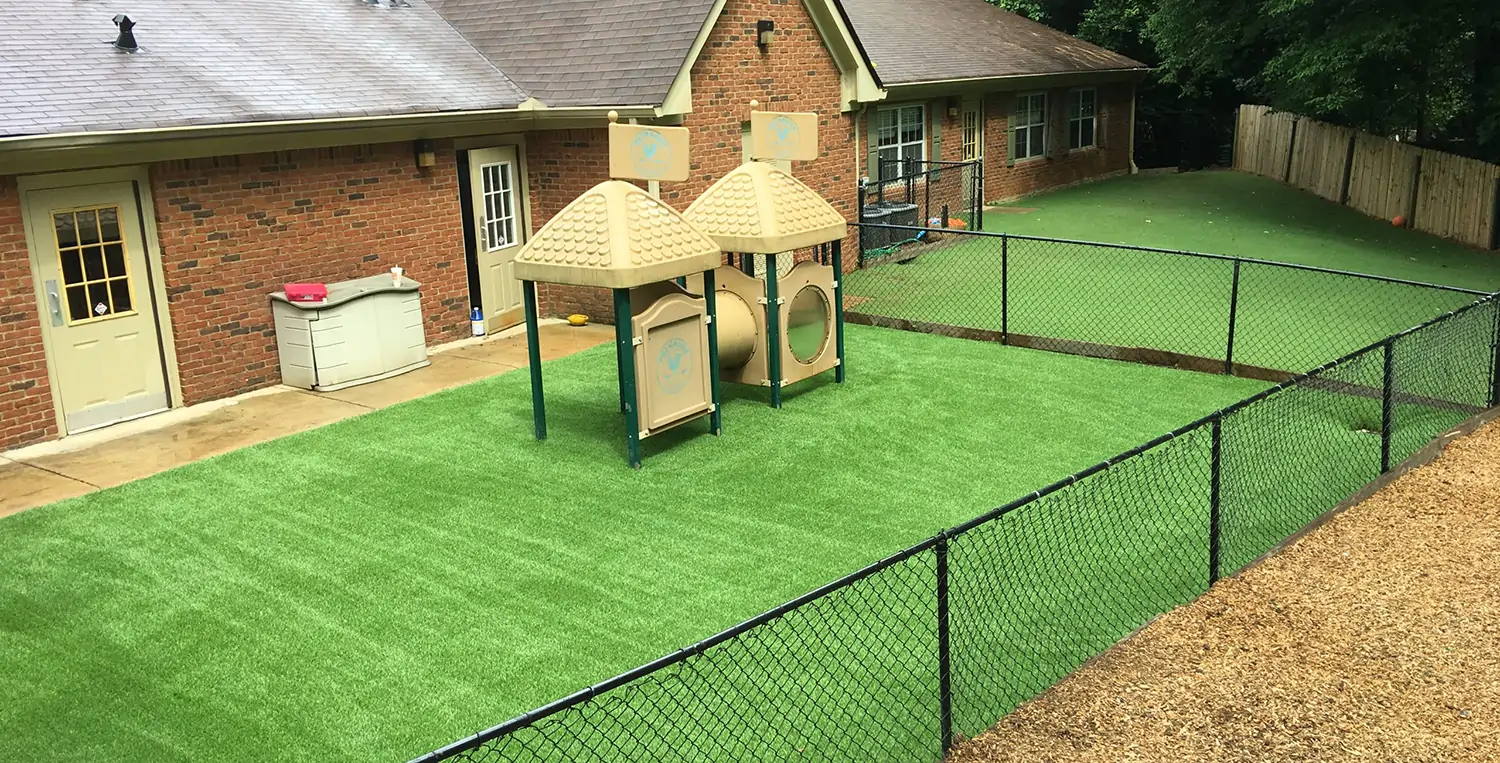
Pet-focused synthetic grass layouts with drainage-first base prep and practical cleanup planning for Spring households.
Learn More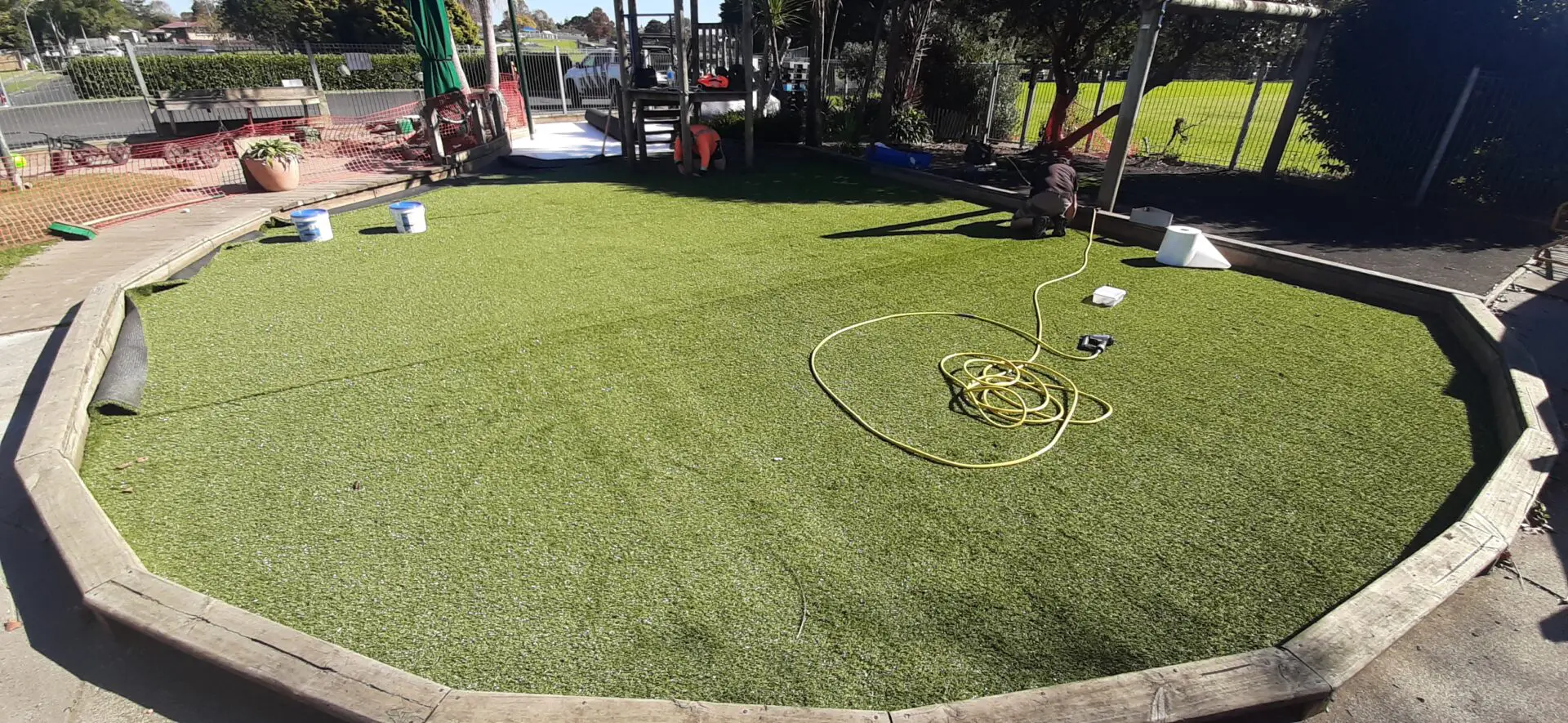
Scheduled maintenance services to restore blade posture, refresh infill distribution, and improve turf appearance.
Learn More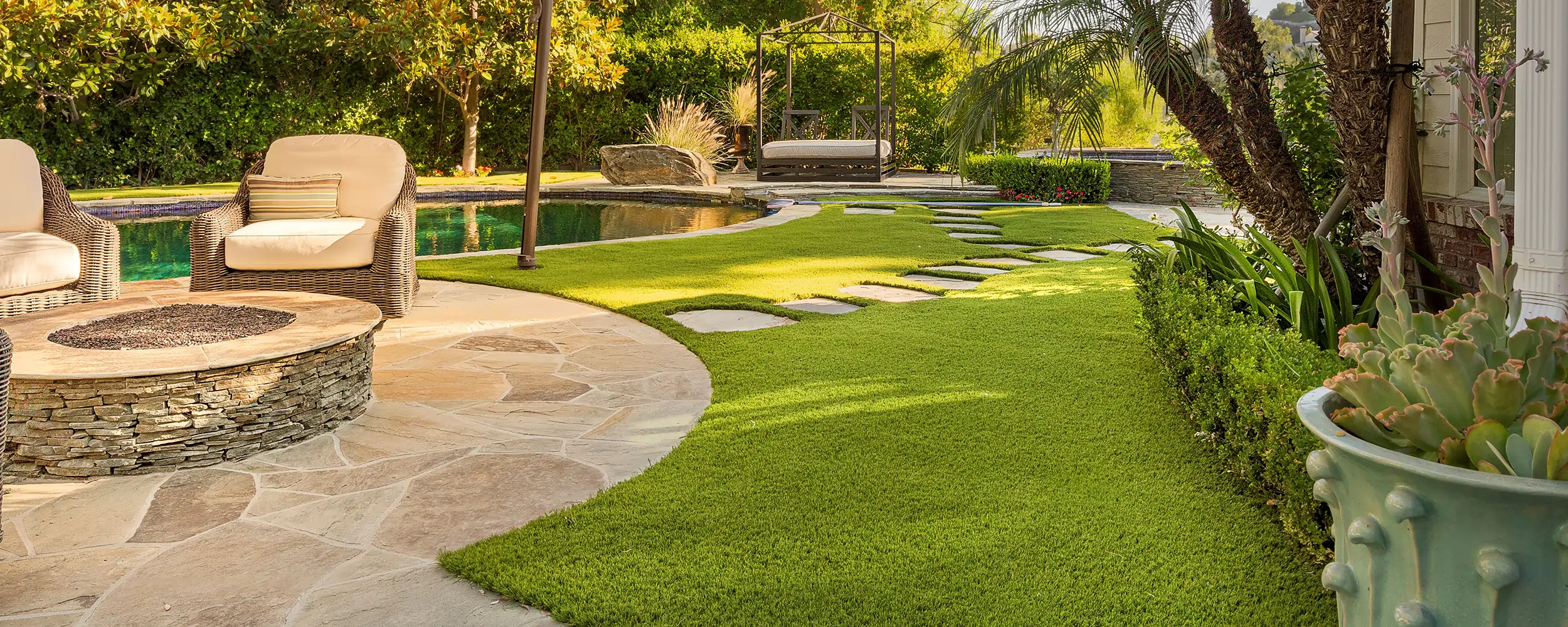
Pre-installation consultation, layout planning, material selection guidance, and scope development for local projects.
Learn MoreFor a two-cup green with fringe, you need roughly 400 to 600 square feet of usable space. We can design into irregular footprints and work around existing patios and structures, so the exact minimum depends on your yard layout. We'll tell you at the site visit whether the space you're thinking of will work.
Putting green turf has a much shorter pile height — typically under half an inch — and a denser face weight. Standard landscape turf piles are taller and softer. The ball roll difference is significant. You can't putt on standard landscape turf and get realistic results.
Yes, and this is actually a common setup. We use a transition seam between the putting surface and the surrounding landscape turf, and choose a fringe turf at an intermediate pile height to create a visual boundary. The seam is placed so it doesn't interfere with ball roll.
Mild slopes can be cut and corrected during base prep. Significant grade changes require more base work and may shift where the green can be positioned on the lot. We evaluate this during the site visit.
Primarily by keeping it clear of debris and brushing the surface occasionally to maintain pile posture. Spring's climate doesn't damage the turf, but leaves and organic material that work into the pile affect ball roll over time. We give you a specific maintenance routine at closeout.
Project Request
Tell us the approximate footprint you have available and how many cups you're thinking. We'll schedule a site visit and give you a straightforward plan for the space.