Step 01
Problem Diagnosis
We assess the reported problem and the surrounding surface condition before recommending a repair approach. Some problems have a root cause different from what's visible on the surface.
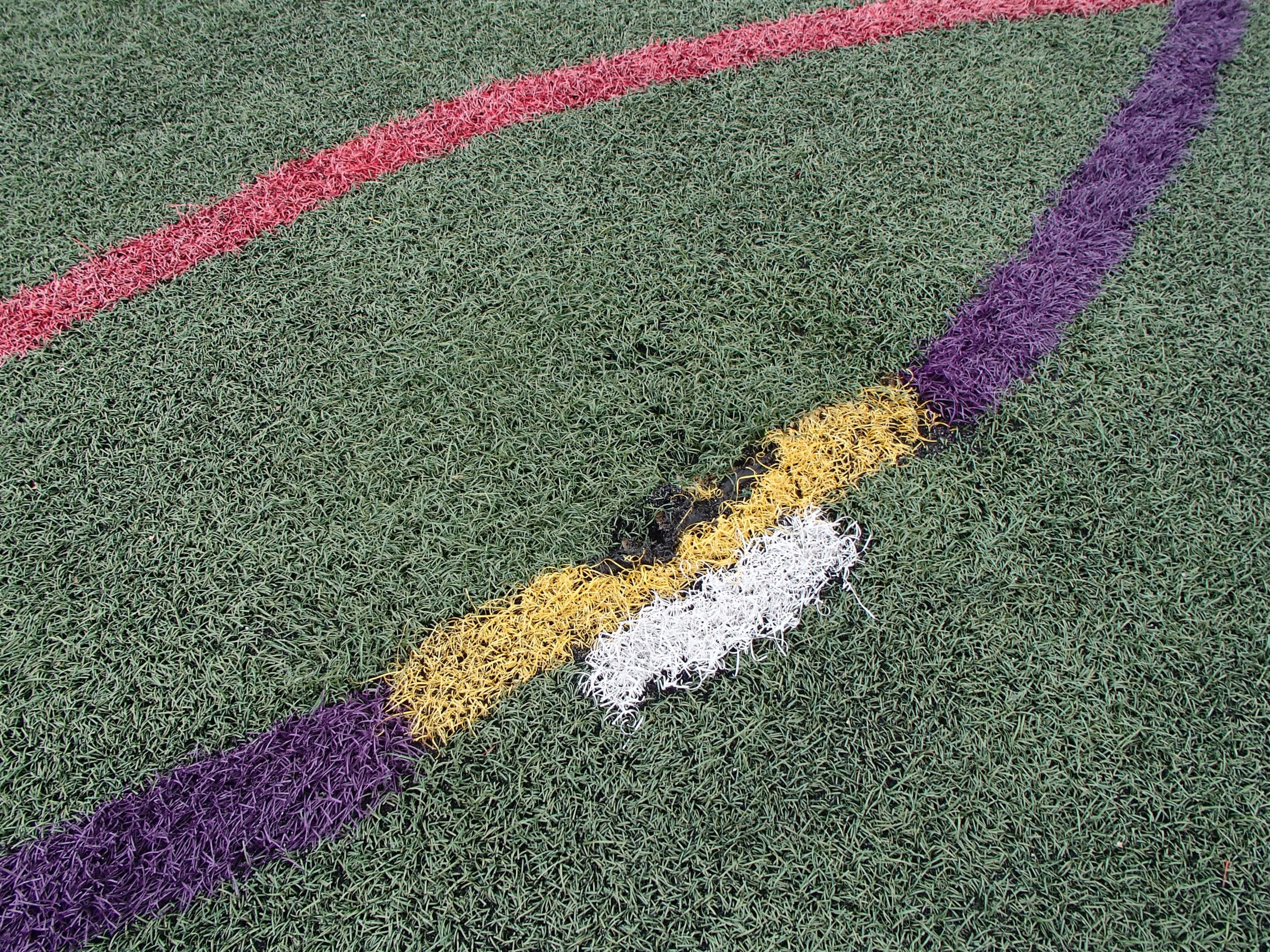
Seam repair, edge re-securing, surface patch, and drainage diagnosis for Spring and Klein-area turf that needs attention — not a full replacement.
Service Introduction
Most synthetic grass repair calls we get in Spring and Klein come from one of a few situations: a seam that's lifting along a high-traffic path, an edge that's working loose at the fence line, a surface bubble or wrinkle that appeared after a heavy storm, or a patch of pile that's matted flat and won't brush back up. These are fixable problems that don't require tearing out the whole install. Artificial Turf of Spring diagnoses what's actually wrong and repairs it — whether it's a seam we installed or one somebody else put in.
Seam separation is the most common repair we see in Spring-area yards. It happens when seam tape breaks down or seam adhesive fails — both of which happen faster in Houston's heat and UV load than in cooler climates. It also happens when the original seam was placed in a high-traffic zone, which accelerates wear on the join. We assess whether the seam can be re-bonded in place or needs to be pulled and re-seamed, and we give you a realistic answer about how long the repair should last versus when replacement makes more sense.
Edge lifting along fence lines is a close second in Spring-area repair calls, particularly in yards where the original installer used light-gauge anchoring on a clay-soil base. Clay soil moves seasonally in north Houston — it swells when wet and contracts when dry — and anchors that were adequate in dry conditions can lose grip over time. We re-secure edges using appropriate anchor depth for the soil type and check the adjacent perimeter for sections that are close to lifting as well.
For drainage problems — surface bubbles after rain, wet spots that don't dry out, or areas where the pile stays compacted after water — we open the surface and look at the base. Drainage failures in Spring and Klein are usually either a blocked drainage path, a base section that compacted unevenly, or an original install that didn't account for the local clay soil behavior. We diagnose the actual cause before recommending a fix.
Step 01
We assess the reported problem and the surrounding surface condition before recommending a repair approach. Some problems have a root cause different from what's visible on the surface.
Step 02
We explain what the repair involves, how long it should take, and whether any adjacent areas show signs of the same problem. You decide how to proceed before we start work.
Step 03
Seam re-bonding, edge re-securing, base drainage correction, or surface patching — depending on what the diagnosis found. Work is done in the repair zone and any immediately adjacent affected areas.
Step 04
Infill is spot-replenished in the repair zone and the surface is groomed to restore pile posture. Seam transitions are checked for visibility and consistency.
Step 05
We inspect the repair and surrounding surface before closeout. For drainage repairs, we do a water test if conditions allow.
Seams placed along walking paths or pet-run routes that have worked loose under repeated traffic — the most common repair situation in Spring mid-tier residential yards.
Perimeter edges that have lifted in Spring's expansive clay soil — anchor failure that often appears along fence lines first.
Post-storm surface distortion from drainage failure or base section that shifted under saturated soil conditions.
Pile sections in pet areas that won't recover with normal grooming — sometimes an infill depth problem, sometimes a pile fiber issue from prolonged UV and moisture exposure.
Surface damage from tree root intrusion, landscaping equipment impact, or pest activity that has torn or lifted a section of turf.
Artificial Turf of Spring handles synthetic grass repair throughout Spring, Klein, Tomball, Cypress, The Woodlands, Humble, and surrounding north Houston neighborhoods. Repair service is available for both Artificial Turf of Spring installs and turf installed by other contractors.
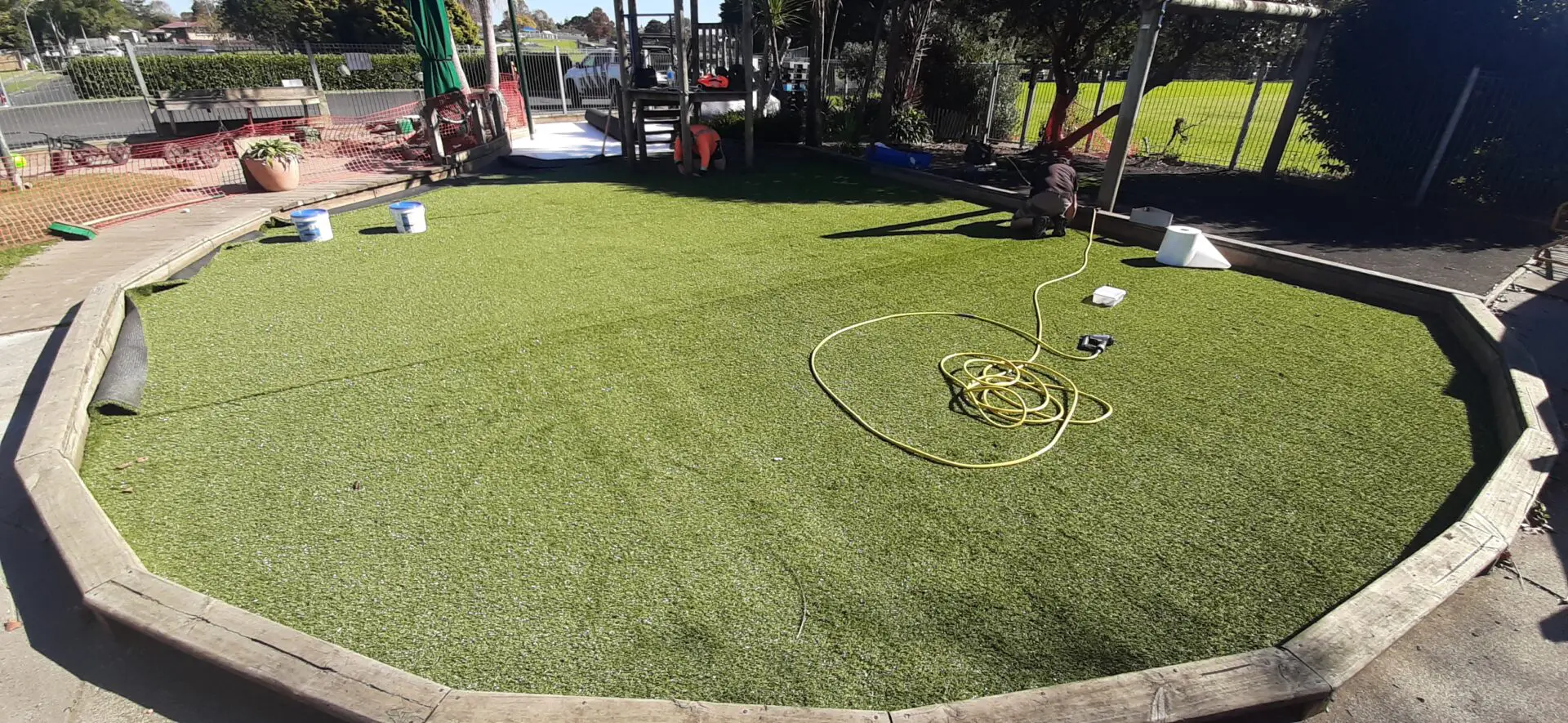
Scheduled maintenance services to restore blade posture, refresh infill distribution, and improve turf appearance.
Learn More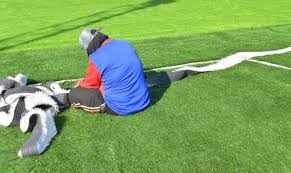
Localized seam correction and reinforcement for separated joins, lifted transitions, and high-stress edge conditions.
Learn More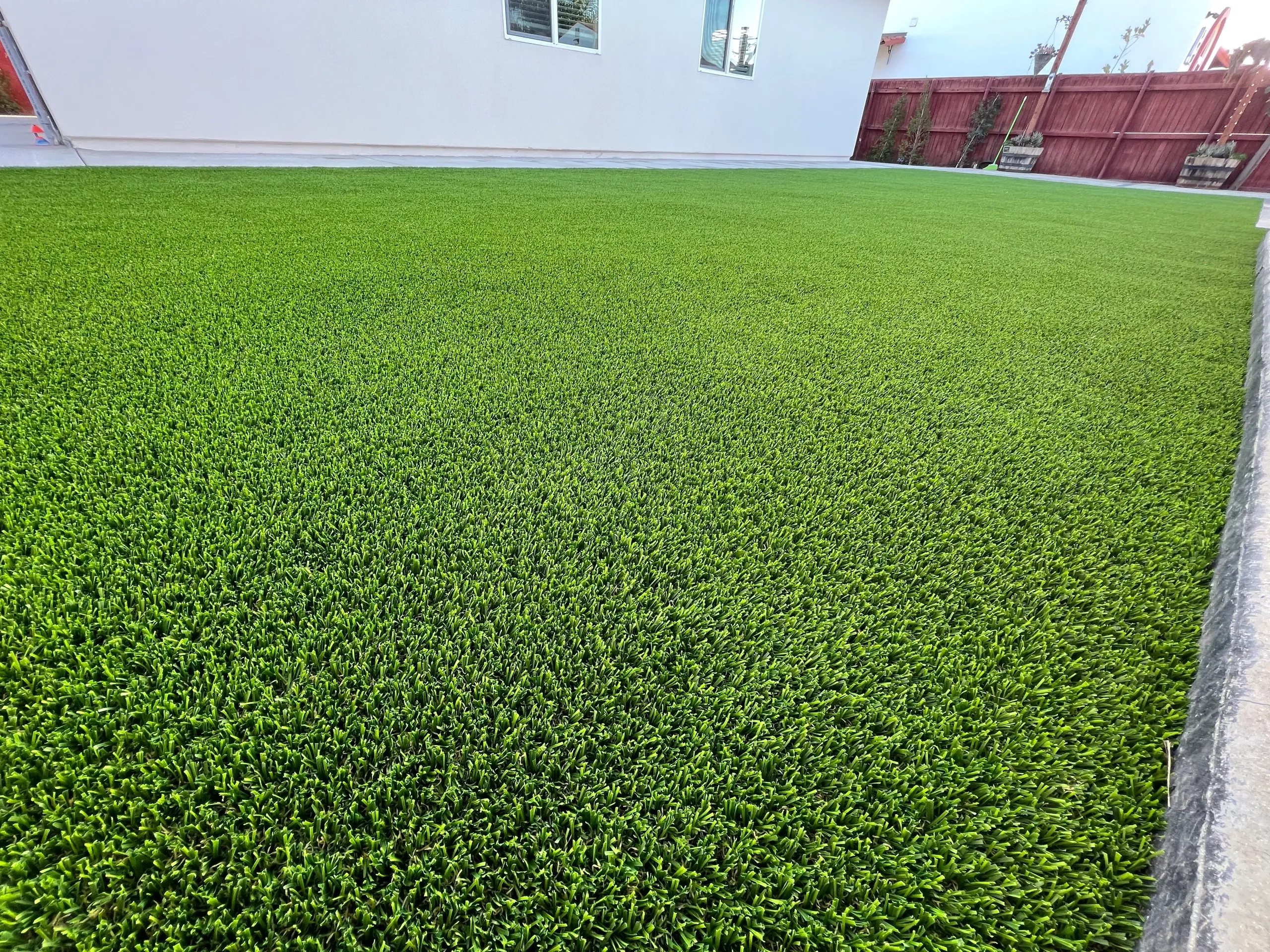
Infill depth checks and replenishment for compacted or depleted zones that need improved support and consistency.
Learn More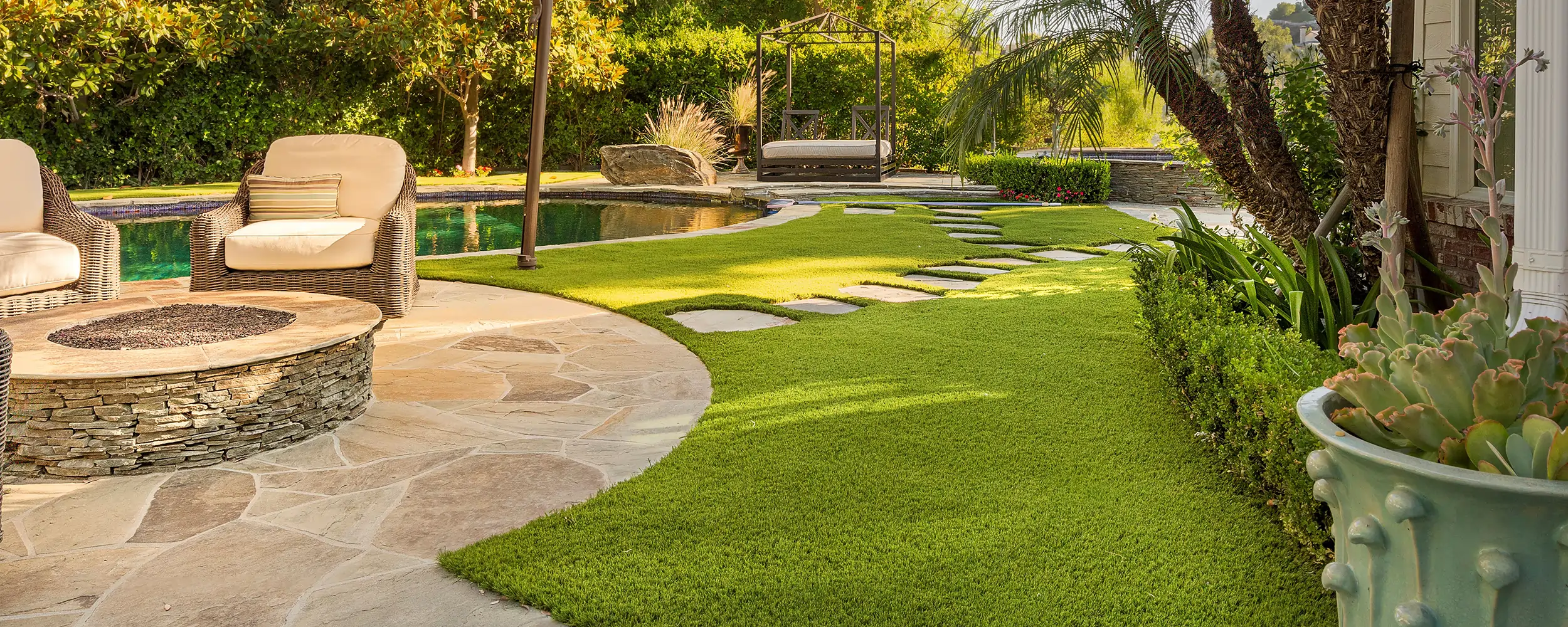
Custom residential turf systems for front yards, backyards, side yards, and outdoor living spaces in Spring, TX.
Learn MoreYes. We assess the surface, diagnose the problem, and give you an honest answer about what can be fixed versus what may need replacement. We work on other installers' work regularly in the Spring and Klein area.
Often yes. If the seam tape is still in reasonable condition, re-bonding the existing seam can work. If the tape has failed completely or the seam was placed poorly relative to traffic flow, re-seaming may be more durable long-term. We assess both options during the visit.
Usually a drainage failure or a base section that shifted under saturated soil conditions. We need to look at it to give you a specific answer. Clay soil in Spring-area neighborhoods can create base movement after significant rain events.
Yes. We do surface condition assessments for properties with existing turf, whether or not we did the original install. We'll tell you what needs repair, what could use maintenance, and what's in acceptable shape.
Most seam repairs are a half-day or less depending on the extent of the separation. Re-seaming a section that needs to be pulled and re-done takes longer. We give you a time estimate after the diagnosis.
Project Request
Describe the problem and your neighborhood and we'll schedule a visit to diagnose what's wrong and give you an honest repair recommendation.